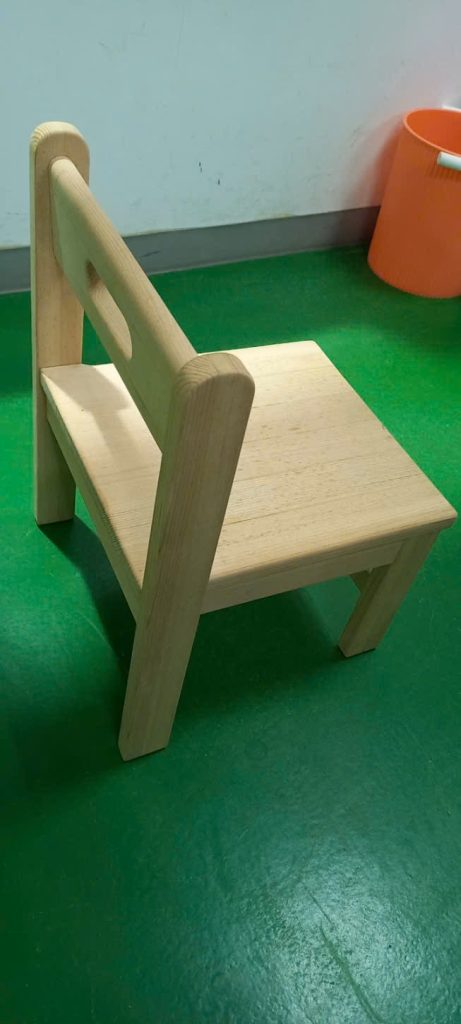
Montessori wooden toys are driving growth in the educational toy industry. Learn about market trends, manufacturing, safety standards, OEM opportunities, and sourcing strategies for Montessori wooden toys between 2026 and 2036.
Why Montessori Wooden Toys Are Growing Worldwide
The global market for Montessori wooden toys continues to expand as parents, educators, and retailers increasingly seek educational products that encourage independent learning, creativity, and child development.
Between 2026 and 2036, industry experts expect continued growth driven by:
- Montessori education adoption
- Sustainable parenting trends
- Demand for screen-free activities
- Eco-friendly toy preferences
- Growth of homeschooling worldwide
- Premium educational toy markets
Unlike conventional toys that focus primarily on entertainment, Montessori wooden toys are designed to help children develop practical skills, concentration, problem-solving abilities, and confidence through hands-on learning.
For manufacturers, wholesalers, and private-label brands, this creates significant opportunities in both retail and educational markets.
What Are Montessori Wooden Toys?
Montessori wooden toys are educational toys designed according to Montessori principles.
Their purpose is to encourage:
- Independent play
- Practical learning
- Sensory development
- Fine motor skills
- Problem-solving
- Creativity
Most Montessori toys use natural materials and simple designs that allow children to focus on learning rather than excessive stimulation.
Key characteristics include:
- Natural wood construction
- Child-safe finishes
- Purpose-driven design
- Age-appropriate challenges
- Open-ended play opportunities
Why Wooden Toys Fit Montessori Principles
Natural Materials Support Learning
Wood provides a sensory experience that plastic toys cannot replicate.
Children benefit from:
- Natural textures
- Weight awareness
- Tactile exploration
- Visual simplicity
Wooden toys also create a calmer learning environment.
Durability and Longevity
One major advantage of Montessori wooden toys is durability.
High-quality wooden toys often:
- Last for years
- Survive heavy use
- Retain educational value
- Support multiple age groups
This makes them attractive to:
- Schools
- Daycare centers
- Educational retailers
- Eco-conscious families
Sustainability Matters
Modern consumers increasingly seek environmentally responsible products.
Wooden Montessori toys offer:
- Renewable materials
- Reduced plastic usage
- Longer product lifecycles
- Better sustainability positioning
Many international buyers now request FSC-certified wood products.
Learn more about responsible forestry certification here:
Most Popular Montessori Wooden Toys
Wooden Stacking Toys
Stacking toys help children develop:
- Hand-eye coordination
- Fine motor skills
- Problem-solving abilities
- Spatial awareness
These products remain among the best-selling Montessori toys globally.
Wooden Shape Sorters
Shape sorters introduce:
- Geometry concepts
- Logical thinking
- Pattern recognition
- Coordination skills
They are highly popular among parents of toddlers.
Wooden Puzzles
Montessori puzzles encourage:
- Independent thinking
- Concentration
- Memory development
- Visual recognition
Simple designs often perform best.
Wooden Sensory Toys
Sensory toys help children explore:
- Texture
- Weight
- Shape
- Balance
Explore wooden sensory toy manufacturing solutions:
Practical Life Toys
Practical life products teach children everyday skills through play.
Examples include:
- Lacing boards
- Dressing frames
- Tool sets
- Sorting trays
- Activity boards
These categories continue seeing strong global demand.
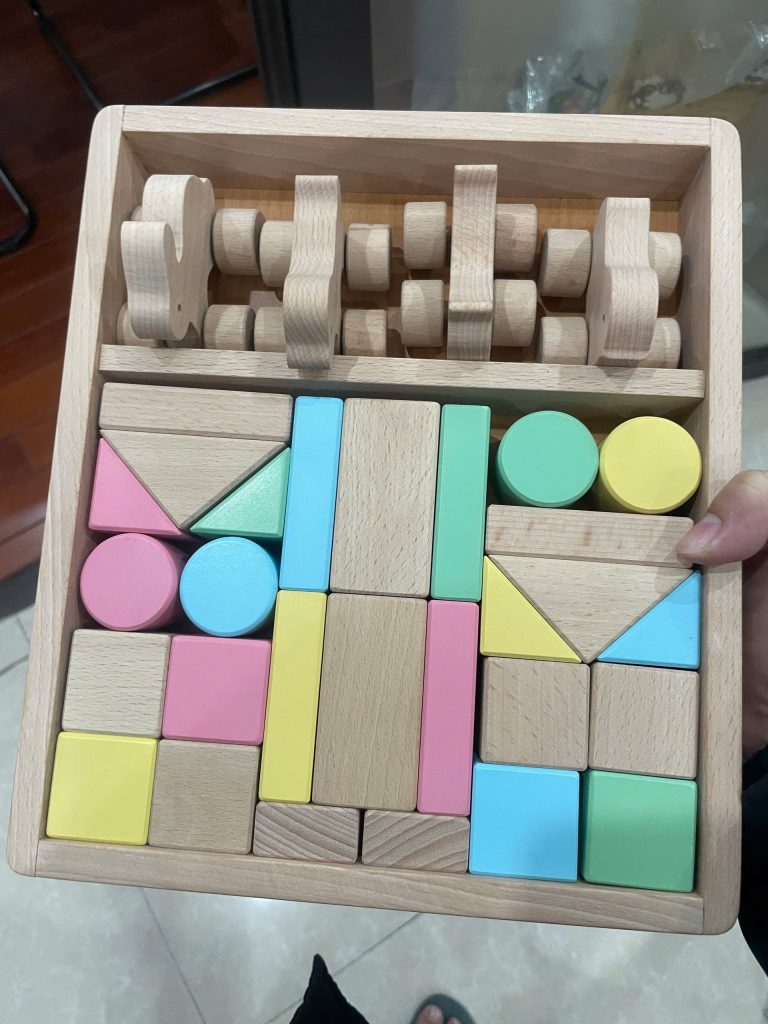
Why Parents Prefer Montessori Wooden Toys
Parents increasingly choose Montessori wooden toys because they:
- Reduce screen time
- Encourage concentration
- Promote independent learning
- Support developmental milestones
- Provide long-term educational value
Many families now prefer fewer, higher-quality toys rather than large quantities of disposable plastic products.
This trend is expected to continue throughout the next decade.
Choosing the Best Wood for Montessori Wooden Toys
Rubberwood
Rubberwood is commonly used because it offers:
- Sustainability
- Smooth finishing
- Cost efficiency
- Good durability
Beechwood
Beechwood is often selected for premium toy collections because of:
- Strength
- Fine grain
- Attractive appearance
- Long lifespan
Birch Plywood
Birch plywood works particularly well for:
- Educational boards
- Puzzles
- Learning activities
- Flat-pack toy systems
Safety Standards for Montessori Wooden Toys
Safety remains the most important factor for toy buyers worldwide.
EN71 Certification
EN71 is essential for products entering European markets.
The standard evaluates:
- Mechanical safety
- Chemical content
- Flammability
ASTM F963 Compliance
ASTM F963 is critical for toys sold in the United States.
Learn more here:
Compliance helps manufacturers avoid:
- Retailer rejection
- Customs issues
- Product recalls
CPSIA Requirements
Many U.S. buyers require CPSIA compliance for children’s products.
This standard focuses on:
- Lead content
- Chemical safety
- Product testing
Montessori Wooden Toys Manufacturing Trends (2026–2036)
The industry is evolving rapidly.
Several trends are expected to dominate the next decade:
Eco-Friendly Production
Consumers increasingly reward brands that use:
- Sustainable materials
- FSC-certified wood
- Water-based paints
- Environmentally responsible packaging
Minimalist Product Design
Modern buyers prefer:
- Simple aesthetics
- Natural finishes
- Educational functionality
- Open-ended play designs
Educational Value Over Entertainment
Parents increasingly seek toys that support:
- Learning outcomes
- Skill development
- Independent thinking
- Creativity
Products that combine fun with educational benefits are likely to outperform purely entertainment-focused toys.
OEM and ODM Opportunities for Montessori Wooden Toys
Many successful toy brands do not own factories.
Instead, they partner with experienced OEM and ODM manufacturers.
Benefits include:
- Lower startup costs
- Faster product launches
- Flexible production
- Private-label branding
- Custom packaging
Vietnamese manufacturers increasingly support global toy brands through:
- Product development
- Prototype creation
- Flexible MOQ options
- Export support
Explore Montessori toy manufacturing solutions:
Why Vietnam Is Becoming a Leading Montessori Toy Manufacturing Hub
Vietnam continues gaining market share in educational toy manufacturing because of:
- Skilled woodworking expertise
- Competitive production costs
- Strong export infrastructure
- Modern manufacturing capabilities
Manufacturers in Vietnam now export Montessori wooden toys to:
- United States
- Canada
- European Union
- Australia
- Japan
Learn more about Antedu Wood Vietnam:
Digital Marketing Strategies for Montessori Wooden Toy Brands
SEO for Educational Toy Keywords
Important keywords include:
- Montessori wooden toys
- Wooden educational toys
- Montessori toys wholesale
- Montessori toy manufacturer
- Wooden sensory toys
- Montessori learning toys
Long-tail SEO remains highly effective for B2B educational toy suppliers.
Pinterest Marketing
Pinterest continues driving significant traffic for:
- Parenting products
- Educational toys
- Nursery ideas
- Montessori learning spaces
B2B LinkedIn Outreach
LinkedIn helps connect with:
- Retail buyers
- Importers
- Distributors
- Educational institutions
Wholesale Marketplaces
Key sales channels include:
- Alibaba
- Faire
- Global Sources
- Trade shows
Future Outlook for Montessori Wooden Toys (2026–2036)
The future of Montessori wooden toys looks extremely promising.
Market growth will be supported by:
- Sustainable parenting trends
- Educational purchasing behavior
- Montessori homeschooling expansion
- Premium toy markets
- Eco-conscious consumers
According to the American Montessori Society, Montessori education continues gaining popularity worldwide as more families seek child-centered learning approaches.
Learn more here:
Manufacturers and brands that prioritize:
- Product safety
- Educational value
- Sustainable materials
- Strong branding
- Reliable production systems
will likely enjoy long-term success.
Frequently Asked Questions
What are Montessori wooden toys?
Montessori wooden toys are educational toys designed to support independent learning, sensory development, and practical skill building through hands-on play.
Why are wooden toys preferred in Montessori education?
Wood offers durability, natural sensory experiences, sustainability, and simplicity that align with Montessori principles.
What certifications are important for Montessori wooden toys?
The most important certifications include:
- EN71
- ASTM F963
- CPSIA
- FSC
Why are Montessori wooden toys becoming more popular?
Parents increasingly seek educational, screen-free, sustainable toys that support child development.
Can startups launch private-label Montessori toy brands?
Yes. Many OEM and ODM manufacturers offer flexible production and custom branding services.
Why is Vietnam popular for Montessori toy manufacturing?
Vietnam offers strong woodworking expertise, competitive costs, modern production facilities, and export experience.
Conclusion
The global Montessori wooden toys market presents exceptional opportunities between 2026 and 2036.
As consumers increasingly prioritize educational value, sustainability, and child development, demand for high-quality wooden Montessori toys is expected to continue rising.
Brands that focus on:
- Authentic Montessori principles
- Product safety
- Sustainable manufacturing
- Educational benefits
- Reliable OEM partnerships
will be best positioned to capture market growth in the years ahead.
For OEM and ODM Montessori wooden toy manufacturing solutions, visit: