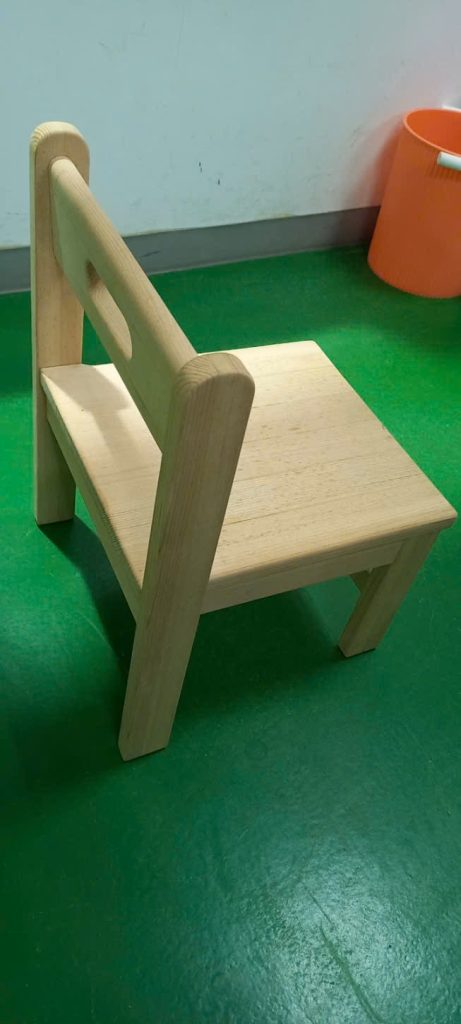

Introduction to the Global Montessori Educational Toys Market
The global Montessori educational toys market is entering a strong growth phase. Parents, educators, and policymakers increasingly recognize the importance of early childhood education. Rooted in the Montessori philosophy, these toys emphasize hands-on learning, independence, and child-centered development. Unlike conventional toys, Montessori educational toys are designed to foster cognitive, emotional, and physical growth through purposeful play.
As families worldwide shift toward high-quality educational products, the demand for Montessori toys continues to expand across both developed and emerging economies. For manufacturers and exporters such as Anted Vietnam wooden toys, this market presents long-term strategic opportunities.
Market Size, Growth Rate, and Forecast
Market Value Projection to 2033
The global Montessori educational toys market is projected to reach approximately USD 5.8 billion by 2033. This reflects robust demand from households, schools, and early learning centers worldwide. This growth highlights the increasing willingness of consumers to invest in educational tools that support holistic child development.
CAGR Analysis (2025–2033)
From 2025 to 2033, the market is expected to grow at a compound annual growth rate (CAGR) of 7.2%. This steady expansion is supported by rising disposable incomes, greater access to early education, and the growing popularity of alternative learning methodologies.
Key Drivers Fueling Market Growth
Rising Awareness of Montessori Education
Parents and educators are becoming more informed about Montessori principles. These principles focus on experiential learning, self-guided discovery, and respect for a child’s natural development. Montessori educational toys align perfectly with these values, making them increasingly popular across global markets.
Increased Investment in Early Childhood Education
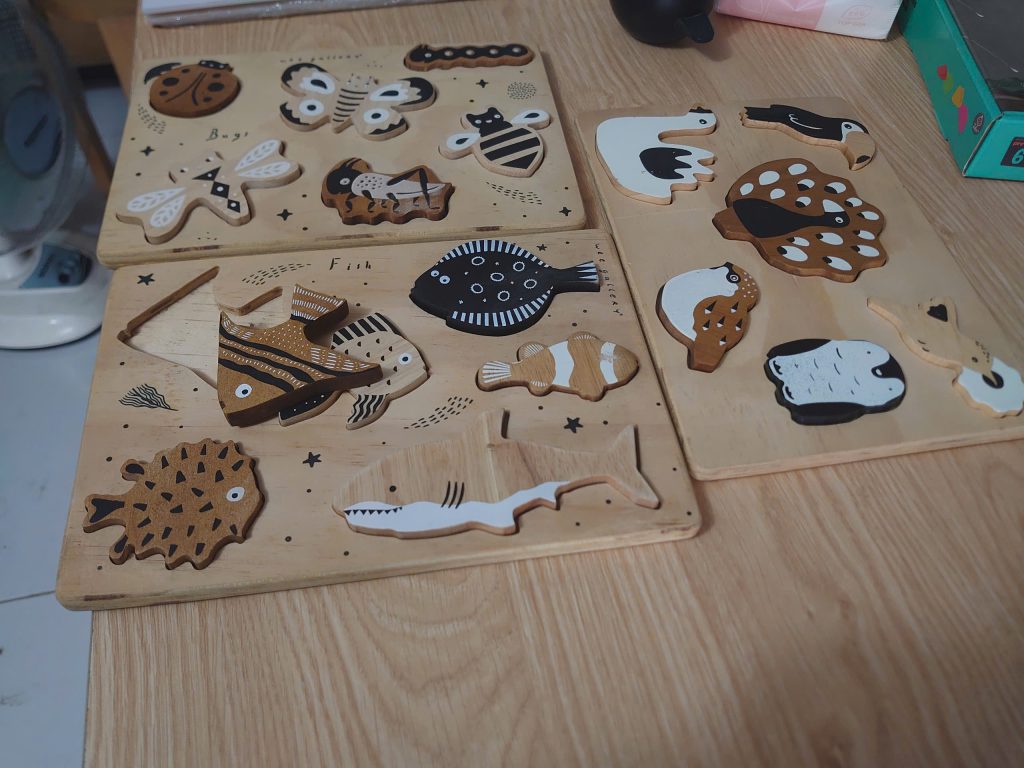
Governments and private institutions are investing heavily in early childhood education infrastructure. Preschool programs, daycare centers, and learning academies are expanding. This expansion creates strong demand for high-quality Montessori-aligned learning materials.
Shift Toward Sustainable and Eco-Friendly Toys
Environmental awareness is another major growth driver. Parents prefer toys made from natural, non-toxic, and sustainable materials, particularly wooden toys. This trend directly benefits suppliers of Anted Vietnam wooden toys, which emphasize safety, durability, and environmental responsibility.
Technology Integration in Montessori Educational Toys
Role of Augmented Reality (AR)
While Montessori education traditionally favors tactile learning, manufacturers are selectively integrating augmented reality (AR) to enhance engagement. AR-enabled toys can bring abstract concepts to life while maintaining hands-on interaction.
Balancing Technology with Traditional Montessori Principles
The key challenge lies in balancing innovation with philosophy. Successful Montessori toy brands integrate technology sparingly, ensuring it complements rather than replaces physical interaction. This hybrid approach appeals to tech-savvy parents without compromising Montessori values.
Market Segmentation Analysis
By Educational Toy Type
The Montessori educational toys market includes a diverse range of product categories:
- Sensory toys: Enhance tactile, visual, and auditory perception.
- Language development toys: Support vocabulary building and communication skills.
- Mathematics toys: Introduce basic numeracy through hands-on activities.
- Science exploration toys: Encourage curiosity and understanding of the natural world.
Competition within this segment is high, driving continuous innovation in design, sustainability, and customization.
By Age Group
Montessori educational toys are carefully designed to align with specific developmental stages. Segmenting products by age group allows manufacturers and importers to better meet learning needs and improve product-market fit.
Infants (0–2 Years)
For infants, Montessori toys focus on sensory exploration and basic motor development. These products emphasize simplicity, safety, and tactile engagement. Popular toy types include:
- Sensory balls and textured wooden toys.
- Grasping rings and rattles.
- Simple stacking and sorting toys.
At this stage, toys are designed to stimulate curiosity while supporting early hand-eye coordination and muscle control.
Toddlers (3–5 Years)
This is one of the fastest-growing segments in the Montessori educational toys market. Products for toddlers emphasize:
- Language development.
- Fine motor skills.
- Early social interaction.
Common Montessori toys for this age group include:
- Shape sorters.
- Alphabet and number boards.
- Basic puzzles and matching games.
For brands such as Anted Vietnam wooden toys, this segment represents a high-volume, repeat-purchase opportunity.
Young Children (6–8 Years)
At this stage, children begin engaging with more complex concepts. Montessori toys for this age group support:
- Early literacy and numeracy.
- Logical thinking.
- Independent problem-solving.
Popular products include:
- Math manipulatives.
- Reading and spelling sets.
- Science exploration kits.
Middle Childhood (9–12 Years)
Montessori toys for older children focus on:
- Strategic thinking.
- Creativity.
- STEM-related learning.
These toys often integrate mechanical elements, construction challenges, and structured problem-solving activities, sometimes combined with light technology integration.
By Material
Material selection plays a crucial role in purchasing decisions, especially as parents become more concerned about safety and sustainability.
Wooden Toys
Wooden toys remain the most preferred material in the Montessori segment due to their:
- Durability.
- Natural texture.
- Eco-friendly profile.
- Long lifespan.
They align strongly with Montessori principles and sustainability values. This trend continues to benefit suppliers specializing in wooden products, including Anted Vietnam wooden toys.
Plastic Toys
Plastic Montessori toys offer cost advantages and design flexibility. However, the market is shifting toward:
- BPA-free plastics.
- Recycled and eco-certified materials.
While still relevant, plastic toys face increasing competition from sustainable alternatives.
Fabric Toys
Fabric-based Montessori toys are soft, safe, and ideal for infants. They are commonly used for:
- Sensory play.
- Early exploration.
However, durability concerns limit their lifespan compared to wooden products.
Metal Toys
Metal is used selectively, mainly in:
- Construction sets.
- Mechanical learning tools.
Safety-focused design is critical in this category to prevent injuries.
By Learning Objective
Montessori educational toys are designed with clear developmental goals in mind.
Cognitive Development
These toys enhance:
- Problem-solving skills.
- Logical thinking.
- Memory retention.
Examples include puzzles, sorting toys, and math manipulatives.
Motor Skill Development
Motor-focused toys support:
- Hand-eye coordination.
- Balance and muscle strength.
Climbing toys, stacking sets, and fine-motor boards fall into this category.
Emotional & Social Development
Role-play sets and cooperative games help children:
- Understand emotions.
- Build empathy.
- Improve communication skills.
Creative & Imaginative Development
Open-ended toys encourage creativity and innovation. They allow children to explore ideas freely without predefined outcomes.
By Distribution Channel
Online Retail
E-commerce is the fastest-growing distribution channel. This growth is driven by:
- Convenience.
- Wider product selection.
- Global accessibility.
Online platforms allow manufacturers to reach international buyers directly. This makes this channel essential for exporters.
Traditional Retail
Physical stores remain important. This is especially true for parents who prefer hands-on evaluation of educational toys before purchase.
Specialty Stores
Specialty educational toy stores attract consumers seeking premium quality and expert guidance. These stores often command higher price points.
Educational Institutions
Schools, kindergartens, and learning centers represent a significant B2B channel. Bulk purchasing and long-term partnerships make this segment particularly attractive for manufacturers.
Regional Market Outlook
North America & Europe
These regions remain mature and well-established markets. They feature:
- High awareness of Montessori education.
- Strong purchasing power.
- Emphasis on sustainability and safety.
Innovation, premium design, and eco-certification are key success factors.
Asia-Pacific
Asia-Pacific is expected to register the fastest growth rate during the forecast period. Growth drivers include:
- Large child population.
- Rising disposable incomes.
- Government initiatives supporting early education.
Countries such as China, India, Vietnam, and Southeast Asian nations are emerging as both major markets and manufacturing hubs.
Opportunities and Challenges
Opportunities
- Expansion of e-commerce and cross-border trade.
- Growing demand for personalized and customizable toys.
- Increased preference for sustainable and eco-friendly products.
- Integration of technology to enhance learning experiences.
Challenges
- Intense market competition.
- Price sensitivity in emerging markets.
- Ongoing safety and quality compliance requirements.
Manufacturers must balance innovation, cost control, and regulatory compliance to remain competitive.
Competitive Landscape
The Montessori educational toys market is highly competitive. It features both multinational corporations and specialized brands. Notable players include:
- Melissa & Doug
- Hape International
- Monti Kids
- Guidecraft
- KidKraft
- PlanToys
- Fat Brain Toys
- Learning Resources
- Lego
- Hasbro
This competitive environment drives continuous innovation, higher quality standards, and product differentiation.
Implications for Manufacturers and Importers
For manufacturers and exporters like Anted Vietnam wooden toys, the expanding Montessori market offers long-term growth potential. Success depends on:
- Sustainable material sourcing.
- Compliance with global safety standards.
- Customization and private-label capabilities.
- Strong partnerships with distributors and educational institutions.
Companies that align product development with Montessori principles and market trends are well-positioned to capture future demand.
FAQs
1. Why is the Montessori educational toys market growing rapidly?
Due to rising awareness of early childhood education, sustainability concerns, and demand for hands-on learning tools.
2. What materials are most preferred for Montessori toys?
Wood remains the most popular material because of its durability, safety, and eco-friendly nature.
3. Which region shows the highest growth potential?
Asia-Pacific is projected to experience the fastest growth during the forecast period.
4. How important is sustainability in this market?
Extremely important. Parents and educators increasingly prioritize environmentally responsible products.
5. Are technology-enhanced Montessori toys effective?
Yes, when used thoughtfully, technology such as AR can enhance learning while maintaining Montessori principles.
6. How can importers benefit from this market trend?
By partnering with reliable manufacturers and offering high-quality, certified Montessori toys.
Conclusion
The global Montessori educational toys market is set for sustained growth through 2033. This growth is driven by increasing investment in early education, rising environmental awareness, and evolving learning preferences. With a projected market value of USD 5.8 billion and a strong CAGR, the industry presents attractive opportunities for manufacturers, importers, and distributors worldwide.
By focusing on quality, sustainability, and innovation, companies like Anted Vietnam wooden toys can play a pivotal role in shaping the future of Montessori education while capturing long-term commercial success.