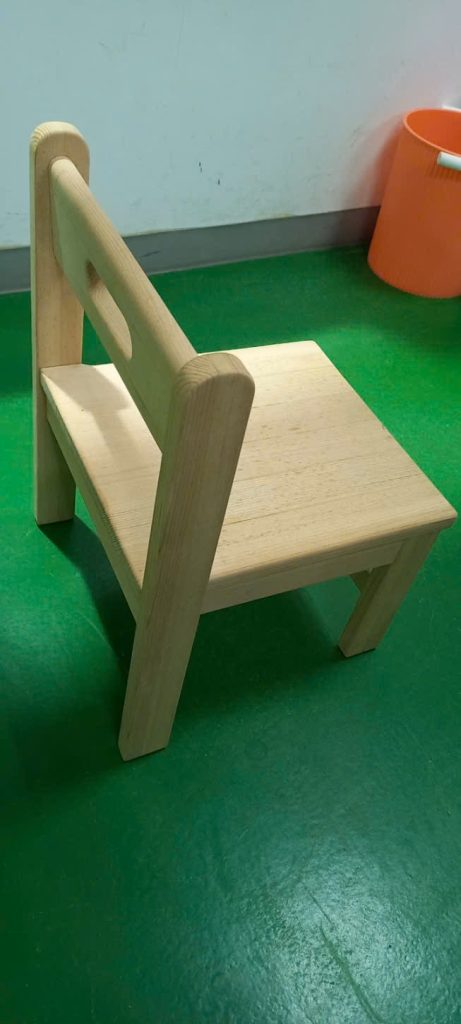

OEM wood products are transforming global brands. Discover how partnering with a reliable Vietnam manufacturer can help your business scale faster, reduce risk, and increase profitability.
OEM Wood Products: The Complete B2B Guide to Finding the Right Manufacturing Partner in Vietnam
In today’s competitive global market, OEM wood products are no longer just an option — they are a strategic growth tool for brands, wholesalers, and retailers worldwide. Whether you are a startup launching a private label or an established company expanding your catalog, working with an OEM manufacturer can dramatically improve efficiency, quality control, and profitability.
Vietnam has quickly emerged as one of the world’s leading destinations for wood manufacturing. With strong woodworking traditions, export expertise, and competitive production costs, the country offers major advantages for global B2B buyers seeking long-term manufacturing partnerships.
This guide explains everything international buyers need to know before sourcing OEM wood solutions from Vietnam.
Understanding the Global OEM Wood Industry
The global wood manufacturing sector continues to grow as brands increasingly outsource production. OEM (Original Equipment Manufacturer) partnerships allow companies to focus on branding, marketing, and distribution while leaving production to experienced factories.
What OEM Manufacturing Really Means
OEM manufacturing means a factory produces goods based on a buyer’s design, specifications, and branding. The buyer controls the brand identity, while the manufacturer handles production.
This model is especially popular in furniture, home décor, baby products, and wooden accessories.
Why Brands Choose OEM Over In-House Production
Building and operating a factory requires significant investment, labor management, compliance knowledge, and supply chain coordination. OEM partnerships eliminate these challenges, offering:
- Lower capital investment
- Faster production scaling
- Access to experienced engineers
- Reduced operational risk
Simply put, OEM allows brands to grow without the heavy burden of manufacturing infrastructure.
Why Vietnam Is a Strategic Choice for OEM Wood Manufacturing
Vietnam is now one of the top furniture exporting countries globally. According to the International Trade Centre (ITC), Vietnam consistently ranks among the world’s leading wood product exporters. You can explore trade statistics directly at https://www.trademap.org/
Skilled Workforce and Woodworking Heritage
Vietnam has decades of woodworking expertise. Many regions specialize in furniture production, blending traditional craftsmanship with modern CNC machinery and automated systems.
Factories are experienced in working with:
- Solid hardwood
- Engineered wood
- Plywood and veneer
- Sustainable timber options
Strong Export Infrastructure
Vietnamese manufacturers are highly familiar with international shipping requirements, documentation, and compliance standards. This experience reduces delays and miscommunication, especially for buyers in North America, Europe, and Australia.
Key Advantages of OEM Wood Products for Global Businesses
1. Cost Efficiency and Scalability
One of the biggest advantages of OEM wood products is cost optimization. Vietnam offers competitive labor and operational costs while maintaining high production standards.
Manufacturers can scale production volumes as your business grows — whether you start with small batch orders or large container shipments.
2. Custom Design Flexibility
OEM manufacturers in Vietnam often provide product development support. This includes:
- Reviewing drawings
- Suggesting structural improvements
- Adjusting materials for durability
- Creating prototypes before mass production
This flexibility is essential for brands that want differentiated products in competitive markets.
3. Quality Control and Consistency
Reliable OEM factories implement strict quality checks throughout production. These may include:
- Raw material inspection
- In-process checks
- Final assembly inspection
- Pre-shipment verification
Consistency is critical in maintaining brand reputation.
Types of OEM Wood Products in High Demand
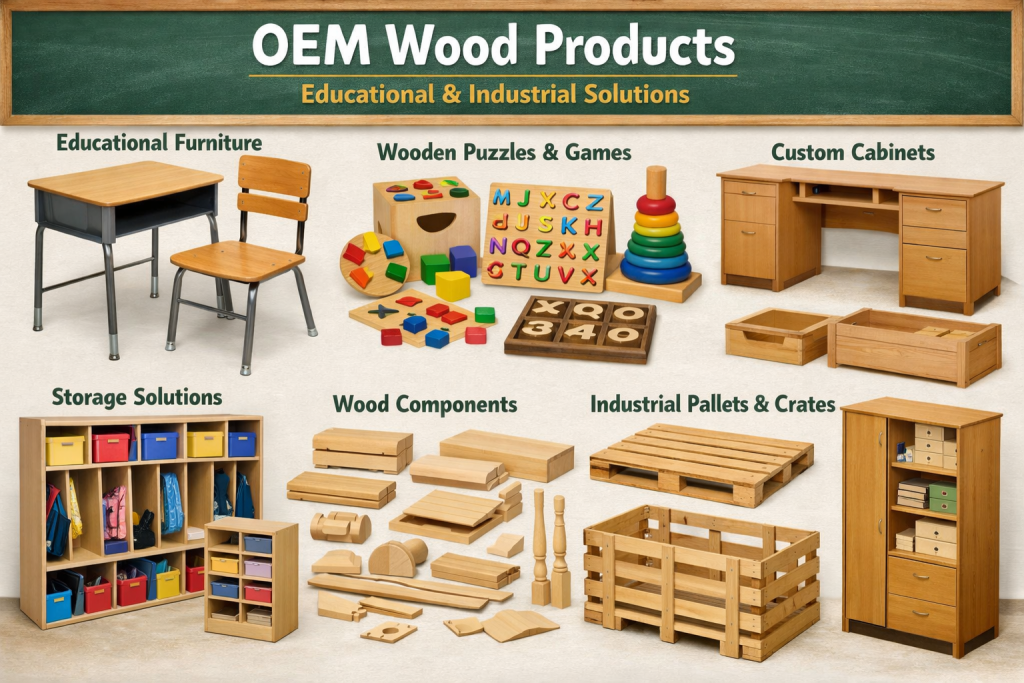
The demand for wood-based products continues to diversify. Common OEM categories include:
Furniture and Interior Components
- Tables and chairs
- Cabinets and shelving
- Bedroom furniture
- Office furniture components
Children’s and Nursery Products
- Wooden cribs
- High chairs
- Montessori furniture
- Toy storage units
Decorative and Functional Wood Items
- Wall décor
- Kitchen accessories
- Storage organizers
- Retail display units
Each category requires different engineering and finishing techniques, which makes selecting the right factory essential.
How to Evaluate an OEM Wood Manufacturer
Choosing a supplier is not just about pricing. It is about partnership and reliability.
Production Capability
Ask about:
- Monthly production capacity
- Machinery and technology
- Skilled labor availability
- Experience with similar product types
Communication and Transparency
Clear communication prevents costly mistakes. A good OEM partner provides:
- Detailed quotations
- Realistic lead times
- Clear production updates
- Transparent material sourcing information
Quality Assurance Systems
Factories should have structured quality control procedures. Some may also follow international safety or environmental standards, depending on target markets.
Risk Management in OEM Partnerships
Protecting Intellectual Property
To protect your designs:
- Use formal agreements
- Clearly define ownership rights
- Avoid sharing incomplete specifications without contracts
Clear Contracts and Specifications
Every detail should be documented, including:
- Material type
- Finish requirements
- Packaging standards
- Delivery terms
Clarity reduces misunderstandings.
Frequently Asked Questions
- What are OEM wood products?
They are wood-based products manufactured by a factory according to a buyer’s design and brand requirements. - Why choose Vietnam for OEM wood manufacturing?
Vietnam offers competitive pricing, skilled labor, and strong export capabilities. - Can small businesses work with OEM factories?
Yes. Many Vietnamese manufacturers support startups and growing brands. - How long does OEM production usually take?
Lead times vary depending on product complexity and volume, but typically range from 30–60 days after sample approval. - Is quality control included in OEM manufacturing?
Professional factories conduct quality checks at multiple production stages. - How can I start an OEM wood partnership?
Begin by contacting the manufacturer, sharing product specifications, and discussing long-term cooperation goals.
Conclusion
In an increasingly competitive global market, OEM wood products provide a powerful solution for brands seeking growth, flexibility, and operational efficiency. Vietnam stands out as a strategic manufacturing hub due to its woodworking expertise, export experience, and cost advantages.
By carefully selecting a reliable OEM partner, businesses can reduce risk, improve product consistency, and scale sustainably.
If your company is exploring high-quality OEM wood manufacturing solutions, now is the time to build a trusted partnership in Vietnam and move confidently toward long-term success.
FSC – Sustainable Wood Certification
Dùng khi nói về gỗ bền vững.
Anchor text:
- FSC certified wood sourcing
Link:
https://fsc.org/
Our team supports custom OEM wood product development from concept to mass production.