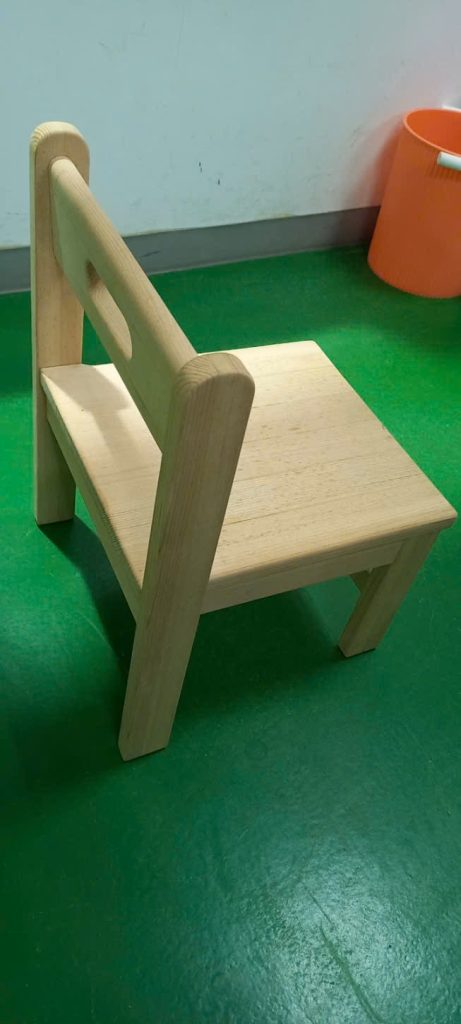
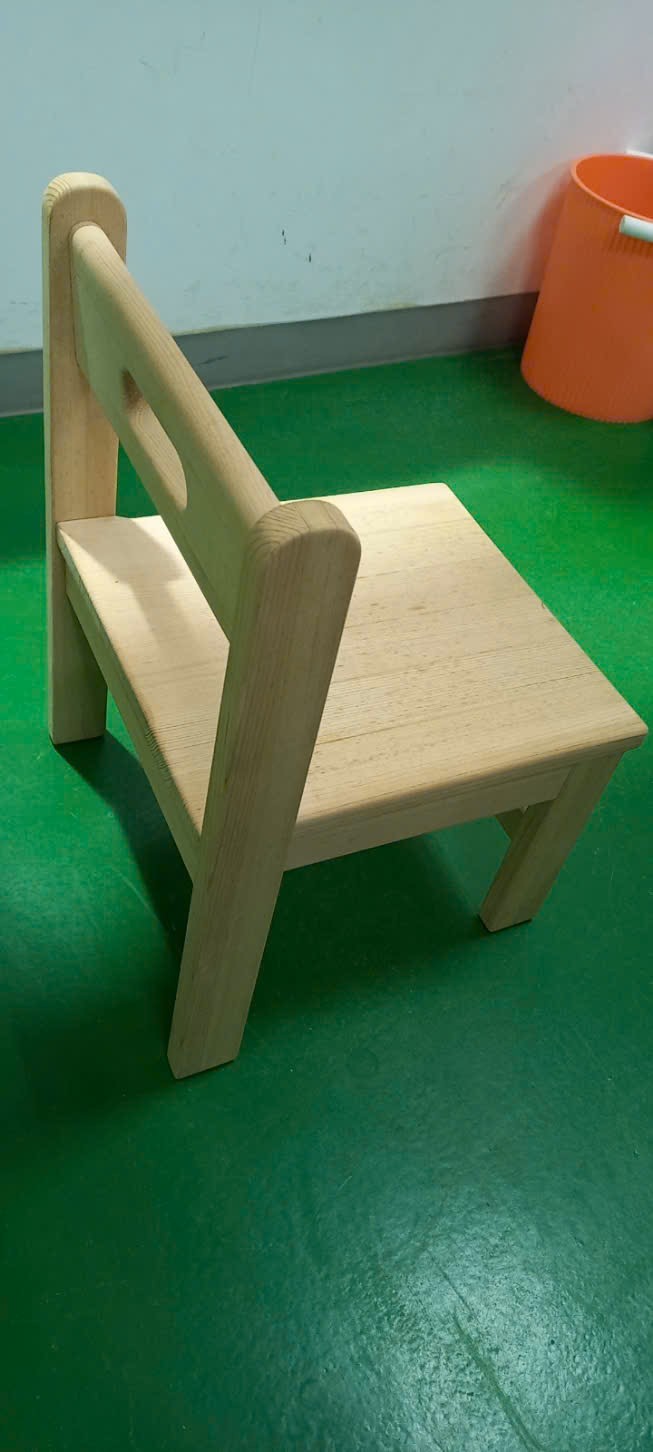
Solid wood baby furnSolid wood baby furniture is in high, and rising, demand worldwide. Finding the right solid wood baby furniture manufacturer is the single biggest factor separating brands that scale smoothly from brands that get stuck fixing quality problems. This in-depth guide helps global businesses find a trusted Vietnam manufacturing partner for custom, high-quality baby furniture — built for the next decade of sourcing, not just the next season.
Solid wood baby furniture has become a preferred choice for global businesses that prioritize safety, durability, and long-term value. From small startups launching their first nursery collections to established brands expanding their sourcing networks, buyers across the world are increasingly looking toward a solid wood baby furniture manufacturer based in Vietnam — and this shift is expected to continue well through 2035 as sustainability regulations tighten and buyers consolidate around fewer, more accountable partners.
This guide is written specifically for B2B buyers who want to understand what matters most when choosing a solid wood baby furniture manufacturer in Vietnam today, and how to build a partnership that stays reliable as standards, materials, and markets evolve over the coming decade.
You can also browse our full range of wooden nursery and furniture products or read more on our export certifications page before requesting samples.
Comprehensive Outline
| Heading Level | Topic |
|---|---|
| H1 | Solid Wood Baby Furniture Manufacturer in Vietnam: A Complete Guide (2026–2035) |
| H2 | Understanding Global Demand for Solid Wood Baby Furniture Through 2035 |
| H3 | Why Businesses Prefer Solid Wood Baby Furniture |
| H3 | Sustainability and Long-Term Value |
| H2 | Why Baby Furniture Requires a Higher-Standard Manufacturer |
| H3 | Safety Expectations from Global Buyers |
| H3 | Common Quality Risks to Avoid |
| H2 | Why Vietnam Is the Right Base for a Solid Wood Baby Furniture Manufacturer |
| H3 | Vietnam’s Woodworking Expertise |
| H3 | Export Capabilities for Global Markets |
| H2 | How to Choose the Right Solid Wood Baby Furniture Manufacturer |
| H3 | Reliability and Transparency |
| H3 | Custom Design and OEM/ODM Capability |
| H2 | Materials and Production Quality |
| H3 | Solid Wood Selection and Treatment |
| H3 | Finishing, Assembly, and Durability |
| H2 | Custom Design Support From Your Manufacturer |
| H3 | Turning Concepts into Manufacturable Designs |
| H3 | Flexibility for Small and Growing Businesses |
| H2 | Quality Control at a Solid Wood Baby Furniture Manufacturer |
| H3 | Independent, Third-Party Quality Management |
| H3 | Pre-Shipment and Export Checks |
| H2 | Long-Term Cooperation vs Short-Term Sourcing (2026–2035) |
| H3 | Building Trust Through Consistent Performance |
| H2 | FAQs About Choosing a Solid Wood Baby Furniture Manufacturer |
| H2 | Conclusion |
Understanding Global Demand for Solid Wood Baby Furniture Through 2035
The global baby furniture market is projected to keep growing steadily through 2035, driven by rising birth-safety awareness, stricter import regulations in Europe and North America, and a generation of parents who research suppliers as carefully as they research products. This trend is directly reshaping how brands and wholesalers choose a solid wood baby furniture manufacturer. Buyers are no longer focused only on price; they want consistency, safety, and ethical manufacturing they can rely on year after year — not just for a single order cycle.
Why Businesses Prefer Solid Wood Baby Furniture
Solid wood furniture is widely valued for its strength, natural appearance, and long lifespan. Unlike composite or low-grade engineered materials, solid wood can withstand daily use and aging without compromising structural integrity. For baby furniture, this reliability is especially important.
From a B2B perspective, solid wood products also help brands position themselves as premium and trustworthy. Businesses that sell nursery furniture often rely on repeat customers and strong brand reputation. Working with an experienced solid wood baby furniture manufacturer reduces complaints, returns, and long-term risks — and one with genuine design capability helps a brand keep releasing new, on-trend collections rather than sourcing the same product every year. See examples in our Montessori wooden toys collection for how the same design philosophy applies across product lines.
Sustainability and Long-Term Value
Sustainability is no longer optional, and the bar is only rising between now and 2035. Global buyers, especially in Europe, North America, and Australia, increasingly expect a solid wood baby furniture manufacturer to use responsibly sourced, FSC-certified wood and environmentally friendly processes as a baseline requirement, not a bonus.
Vietnamese manufacturers with proper sourcing practices, verified supply chains, and efficient production systems are well-positioned to meet this demand while maintaining competitive pricing — but only if they can prove it with documentation, not just claims.
Why Baby Furniture Requires a Higher-Standard Manufacturer
Baby furniture is not the same as general home furniture. Buyers must follow stricter standards, and a solid wood baby furniture manufacturer must understand the responsibility that comes with producing items for infants and young children.
Safety Expectations from Global Buyers
Global buyers typically expect:
- Strong and stable structures
- Smooth edges and safe, non-toxic finishes
- Secure joints and balanced designs
- Production processes that reduce risk during use
- Compliance with international safety frameworks such as CE, ASTM, and EN71
Even when buyers do not request specific certifications upfront, they expect a manufacturer to understand international safety expectations and design products accordingly from the first sample. Read more about the standards we work to on our export certifications page.
Common Quality Risks to Avoid
Many buyers encounter problems when working with inexperienced or unaudited suppliers. These issues may include inconsistent materials, weak joinery, or poor finishing that only shows up after months of use. For baby furniture, even small defects can damage trust, trigger costly recalls, and end a business relationship permanently.
This is why careful selection of a solid wood baby furniture manufacturer — and independent verification of that factory — is critical.
Why Vietnam Is the Right Base for a Solid Wood Baby Furniture Manufacturer
Vietnam has become one of the most important furniture manufacturing countries in the world, and its position is expected to strengthen through 2035 as global buyers continue diversifying supply chains. Its reputation continues to grow among global buyers who seek quality, flexibility, and cost efficiency.
Vietnam’s Woodworking Expertise
Vietnam has a long tradition of woodworking. Skilled labor, combined with modern machinery, allows factories to produce precise and durable furniture components. Many manufacturers specialize in solid wood processing, from kiln drying to final assembly, with capabilities that continue to mature each year.
Export Capabilities for Global Markets
Vietnamese furniture manufacturers are experienced in exporting to international markets. They understand packaging, documentation, and logistics requirements, which reduces delays and communication issues for buyers overseas — an advantage that matters even more as shipping regulations and customs requirements grow more complex toward 2035.
How to Choose the Right Solid Wood Baby Furniture Manufacturer
Choosing a manufacturer is not just about production — it is about partnership, especially for buyers planning to source consistently over the next several years rather than a single order.
Reliability and Transparency
A reliable solid wood baby furniture manufacturer communicates clearly, provides accurate timelines, and takes responsibility for quality. Transparency in materials, processes, and pricing builds long-term trust.
Buyers should look for a partner who acts as a genuine solution partner — one who flags risks early, explains trade-offs honestly, and is realistic about commitments — rather than one who simply quotes the lowest price and hopes for the best.
Custom Design and OEM/ODM Capability
Many buyers want products that reflect their own brand identity. A capable manufacturer should be able to:
- Develop products based on drawings, concepts, or even a rough sketch
- Apply in-house R&D knowledge of global trends such as Montessori and STEAM education to suggest design improvements
- Adjust designs to meet different market and safety requirements
- Support private labeling (OEM/ODM) so the finished product carries the buyer’s brand, not the factory’s
Learn more about our about page to see how we structure design and production support for new brands.
Materials and Production Quality
Solid Wood Selection and Treatment
High-quality baby furniture starts with proper wood selection. The wood must be stable, well-dried, and suitable for long-term use, ideally from FSC-certified and traceable sources. Proper treatment helps prevent cracking, warping, and insect damage over years of use.
Finishing, Assembly, and Durability
Finishing plays a major role in both appearance and safety. Smooth surfaces, even coatings, non-toxic finishes, and precise assembly contribute to a product that lasts and performs well over time — and that continues to meet tightening chemical-safety regulations expected through 2035.
Custom Design Support From Your Manufacturer
Turning Concepts into Manufacturable Designs
Many small businesses and startups come with ideas rather than finished technical drawings. A good solid wood baby furniture manufacturer helps transform these ideas into workable, production-ready designs while maintaining cost efficiency — this is where in-house design and engineering capability matters far more than factory size.
Flexibility for Small and Growing Businesses
Not all buyers order large volumes at the beginning. A manufacturer with access to a wider, vetted network of factories — rather than a single production line — can offer flexible MOQs and cargo consolidation, supporting gradual growth and helping brands scale production over time without being locked into one factory’s constraints.
Quality Control at a Solid Wood Baby Furniture Manufacturer
Independent, Third-Party Quality Management
A professional manufacturer implements quality checks at every stage of production — material inspection, in-process checks, and final assembly reviews. The strongest partners go a step further, acting as an independent auditor on the buyer’s behalf, monitoring production directly at partner factories rather than relying solely on the factory’s own self-reporting. This independence is what actually protects the buyer’s interests.
Pre-Shipment and Export Checks
Before shipping, products should be inspected against agreed specifications and, where relevant, verified with recognized third-party labs such as Intertek, TÜV, CTT, or CTIC. This reduces the risk of disputes and protects both parties well beyond the current order.
Long-Term Cooperation vs Short-Term Sourcing (2026–2035)
Building Trust Through Consistent Performance
Long-term partnerships allow a solid wood baby furniture manufacturer to better understand buyer expectations and improve efficiency over time. As safety standards, sustainability requirements, and buyer expectations continue evolving between now and 2035, working with a partner who manages quality and compliance proactively — rather than reactively — becomes a genuine competitive advantage, not just a convenience.
Browse our latest blog posts on wooden manufacturing and export in Vietnam for more sourcing guidance.
Frequently Asked Questions (FAQs) About Choosing a Solid Wood Baby Furniture Manufacturer
1. Why is solid wood preferred for baby furniture?
Because it offers durability, stability, and long-term value when produced and finished correctly.
2. Can a Vietnamese solid wood baby furniture manufacturer handle custom designs?
Yes. Manufacturers with in-house R&D and design capability can provide full OEM and ODM services for global brands, from concept through production-ready design.
3. Is a Vietnam-based manufacturer suitable for small or startup businesses?
Yes. Manufacturers with access to a flexible factory network can support smaller MOQs and cargo consolidation, helping growing businesses scale without large upfront commitments.
4. How important is quality control when choosing a solid wood baby furniture manufacturer?
Extremely important, as safety and durability directly affect brand reputation, liability exposure, and customer trust.
5. What should buyers check before choosing a manufacturer?
Materials and sourcing traceability, certifications (CE, ASTM, EN71, FSC), independent quality control practices, communication quality, and long-term reliability — not price alone.
6. How is sourcing solid wood baby furniture expected to change between now and 2035?
Expect tighter safety and sustainability regulations, more emphasis on traceable materials, and growing buyer preference for a manufacturer who manages compliance proactively rather than a factory that only produces to a spec sheet.
7. How can buyers start cooperation with a solid wood baby furniture manufacturer in Vietnam?
By reaching out directly, sharing product requirements and target markets, and discussing certification and quality control expectations clearly from the first conversation.
Conclusion
Sourcing baby furniture is a serious business decision that requires careful evaluation — and one that only grows more important as safety and sustainability expectations rise through 2035. Vietnam offers strong, durable advantages for global buyers looking for a solid wood baby furniture manufacturer they can trust for quality, flexibility, and long-term production.
By choosing a manufacturing partner built around in-house R&D, international compliance expertise, and independent quality control — rather than a factory competing on price alone — businesses can build long-term success while delivering safe, reliable products to their markets for years to come.
If you are searching for a dependable solid wood baby furniture manufacturer, working with an experienced Vietnamese partner can be a smart and sustainable choice for the next decade of growth.
👉 Contact Antedu today through anteduwoodvn.com to discuss your project and explore long-term cooperation opportunities.
Global baby solid wood furniture market insights — overview of growth trends and sustainability demand: Baby Solid Wood Furniture Market Report (Reed Intelligence)